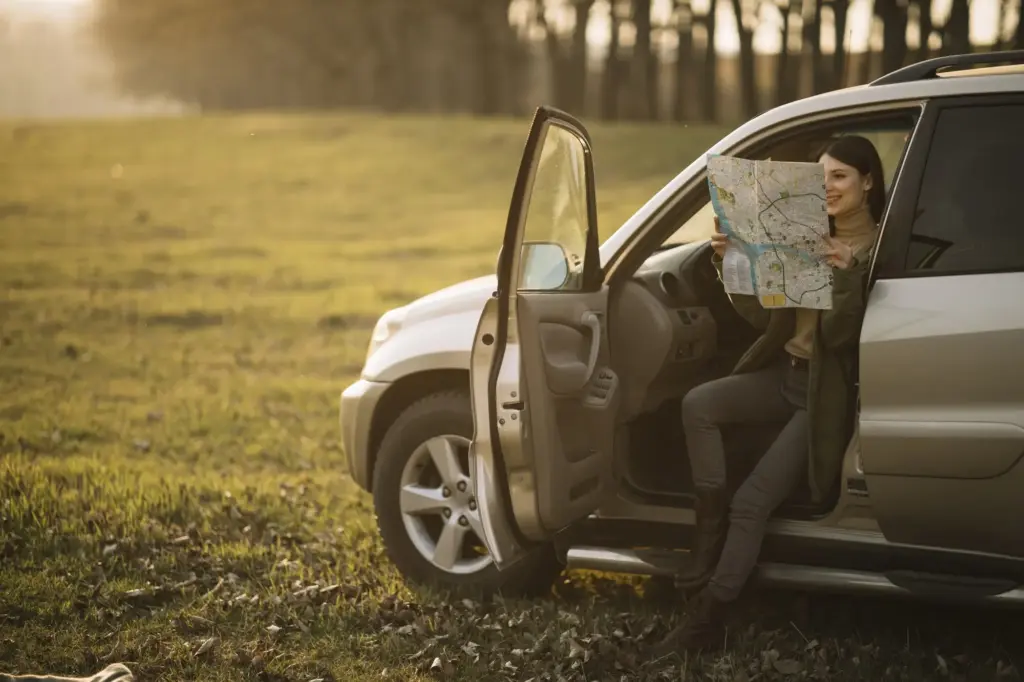
Breathe High, Glide Far: Electric Day Escapes Over Mountain Passes
Today we dive into Mountain Pass Scenic Day Drives in Rented EVs with Regenerative Braking Strategies, showing how to turn steep climbs into unforgettable views and long descents into usable energy. From route planning to one‑pedal finesse, you’ll gain confidence, conserve range, and enjoy every lookout.

Start Smart: Mapping Elevation, Time, and Charging Windows
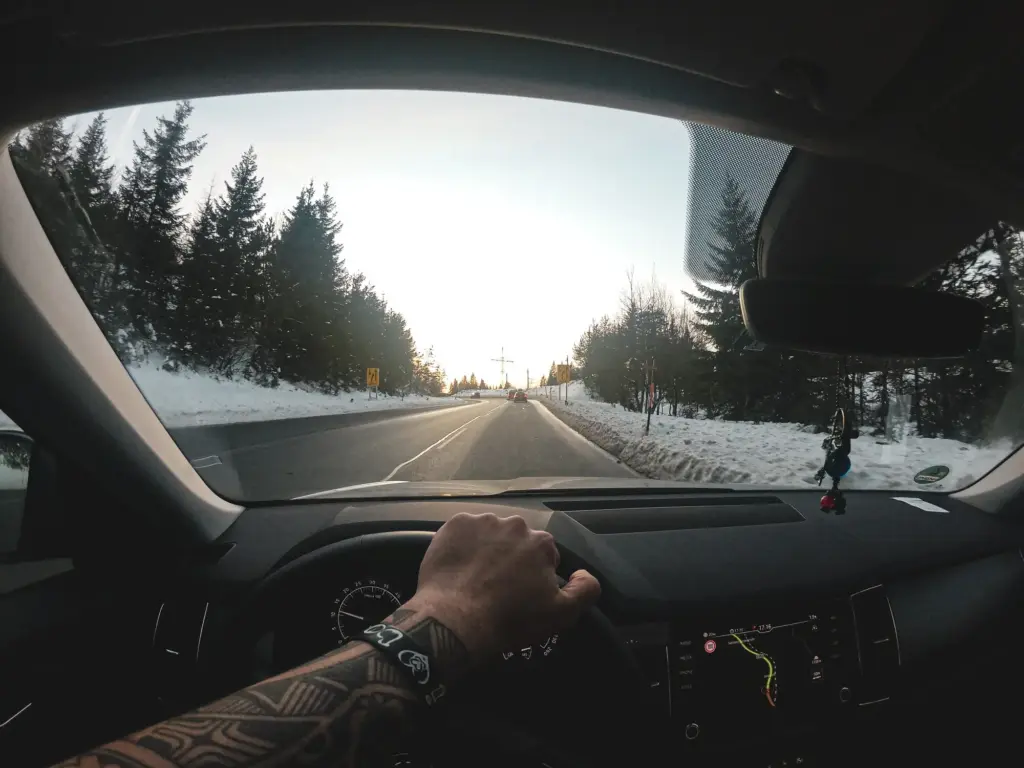
Plot the day around elevation, daylight, and curiosity. A smart loop or out‑and‑back with mid‑route facilities keeps stress low, while a realistic timetable protects time for overlooks and photos. Because you’re in a rental, budget a few minutes to personalize driving modes, link apps, and confirm charging options before the first incline.

Pick the Pass and the Turnaround

Choose a pass with reliable shoulder zones, scenic pullouts, and nearby services, then decide a clear turnaround to guarantee a relaxed descent window. Check road calendars for events or closures, confirm restroom availability, and prefer itineraries with at least one alternative charger within comfortable range margins.

Read the Elevation Profile Like a Story

Treat the climb as setup and the descent as payoff. Conservative pacing before the summit preserves battery temperature and mental focus; arriving below eighty percent state of charge leaves room for robust regeneration. Note grade percentages, hairpins, and shaded sections likely to hold moisture or ice.

Set Up the Rental the Right Way

Pair your phone, enable the manufacturer’s strongest regenerative mode you’re comfortable with, and activate navigation to a charger near your turnaround. Explore drive profiles, disable unnecessary cabin loads, and learn the instrument panel’s power meter so you can read energy flow without guessing on steeper segments.

Gravity as a Gift: Mastering Regenerative Braking on Long Descents
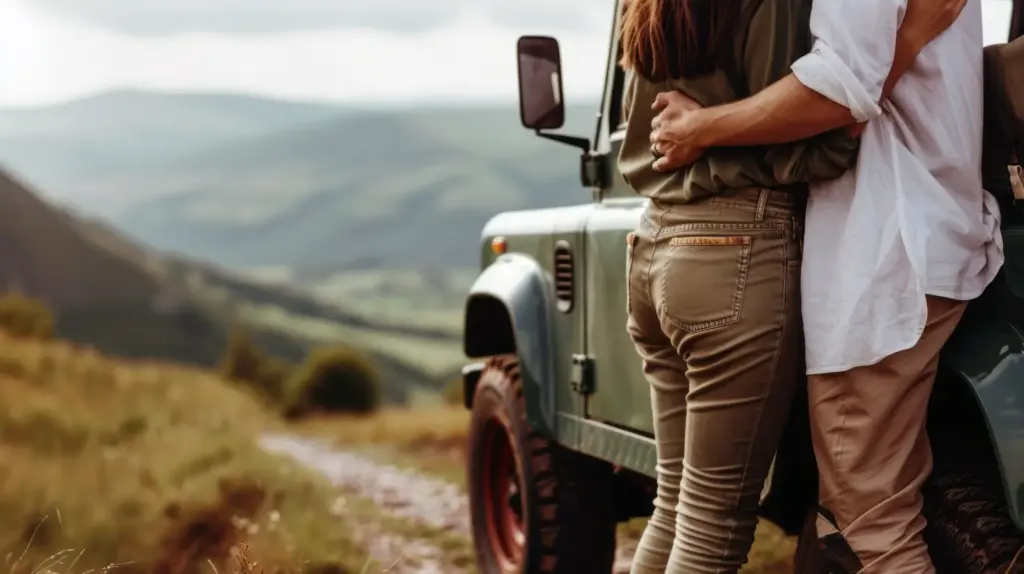
Headroom Before the Drop

Plan to crest with room to capture energy. Many models taper regeneration above roughly eighty percent state of charge, and some nearly disable it near ninety. Target a comfortable midrange, pause a quick photo stop if needed, and begin the descent ready to harvest, not waste, gravity’s gift.

One-Pedal Precision Through Hairpins

Practice steady foot pressure before the first switchbacks, letting regenerative drag set speed early so you avoid last‑second stabs. If the car offers paddle levels, test increments on gentle grades first. When sharp hairpins demand extra bite, blend friction lightly, then return to smooth electric deceleration.

Thermal and Traction Awareness

Cold batteries restrict regen; wet pavement restricts grip. Watch traction indicators, keep inputs progressive, and leave space for sightseeing traffic. If regen dots or warnings appear, accept gentler capture and prioritize stability. Short, firm brake applications manage speed better than dragging when conditions change mid‑descent or clouds thicken suddenly.

Altitude, Weather, and Range: What Changes, What Doesn’t

Mountain air is thinner and often colder, which shifts the balance between aerodynamic drag, heating loads, and battery acceptance. Climbing consumes energy predictably; descending can return surprising amounts. Proper clothing, cabin preheat, and realistic margins turn fickle forecasts into manageable variables rather than last‑minute range anxieties.

Climb Math Without the Panic

Think in simple physics: lifting mass costs energy, roughly proportional to elevation gained. Even a moderate vehicle can spend several kilowatt‑hours per thousand meters, yet thinner high‑altitude air reduces drag on approach. Pack light, keep speeds reasonable, and remember most vertical energy returns as controlled, confidence‑building regeneration during the descent.

Cold Mornings and Regen Limits

Batteries prefer warmth. On chilly starts, enable preconditioning while plugged in, arrive at climbs with the pack already tempered, and expect softened regen until temperatures rise. Use seat and wheel heaters over full cabin blasts, watch acceptance bars, and adapt pacing so efficiency grows with sunshine rather than frustration.

Wind, Aerodynamics, and Speed Discipline

Higher passes often bring crosswinds and gusts at saddles. Thinner air reduces drag, but sudden lateral pushes punish careless speed. Smooth steering, early braking zones, and conservative corner entries keep passengers comfortable and photos clear, while incremental accelerations after viewpoints balance joy with meaningful range security throughout the afternoon.
Road Courtesy, Safety, and Scenic Rhythm

Real-World Moments From Unfamiliar Wheels

Dawn Rental, Quick Orientation, Big Smiles

We met the car before sunrise, paired phones under warm café lights, and rehearsed the energy gauge. By the first overlook, nerves had eased. The route felt like a tutorial written by the mountains, each switchback practicing smoother regeneration and calmer breathing as valleys brightened below.

Picnic Above the Clouds, Energy Below

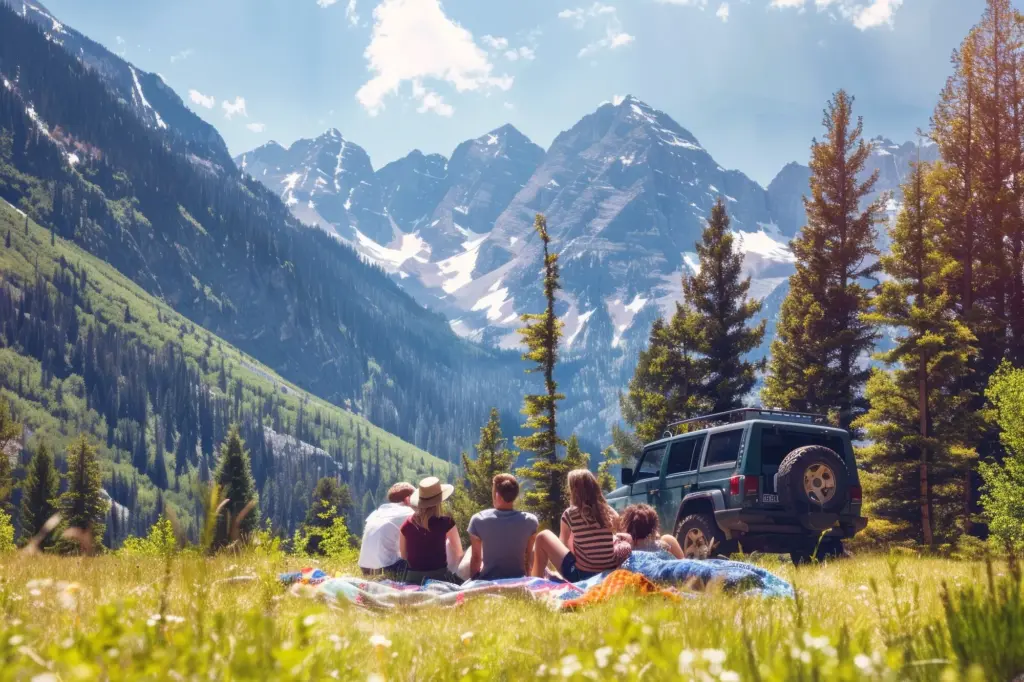
At the summit, we kept state of charge modest, shared sandwiches near wind‑tossed pines, and watched clouds break like slow surf. The descent returned surprising range, enough for an unplanned waterfall stop. Quiet efficiency nurtured conversation; scenery set the pace rather than constant glances at numbers.

Unexpected Record on the Descent

One reader reported gaining double‑digit miles from a single pass, thanks to leaving the summit around sixty percent and easing through corners with patient one‑pedal control. The data wasn’t a trophy; it became a reminder that restraint, timing, and curiosity turn gravity into genuine momentum.

Pack, Prep, and Share: Your Day-Drive Toolkit

Preparation multiplies beauty and safety. A tiny kit, downloaded maps, and a charged phone reduce worry while spare layers boost comfort at windy lookouts. Keep cables tidy, snacks reachable, and plans flexible. Afterwards, share insights so others learn regenerative finesse and discover quiet corners without guesswork.

Before You Roll

Inspect tires, lights, and wipers, photograph the car, and confirm emergency numbers from the rental agreement. Load offline maps, queue scenic playlists, pack water, sun protection, and layers. Precondition while plugged in, and set navigation to a charger near your midpoint to anchor expectations.

While You Glide

Watch the power meter’s flow, note regen peaks, and track average consumption over ten‑minute windows rather than moments. Keep cameras ready for safe pullouts, not rolling shots. Encourage passengers to spot turnouts, wildlife, or history signs, turning the cabin into a cheerful crew instead of passive riders.

After You Park

Log start and end state of charge, elevation reached, and any regen highlights, then post photos and lessons for fellow explorers. Leave a quick charger check‑in, thank helpful locals, and invite questions. Subscribing and commenting here keeps the conversation rolling and inspires safer, smarter, prettier drives.
Lentomiradaxi
Privacy Overview

This website uses cookies so that we can provide you with the best user experience possible. Cookie information is stored in your browser and performs functions such as recognising you when you return to our website and helping our team to understand which sections of the website you find most interesting and useful.